Understand the Current Developments in Window Replacement and Their Role on Home Comfort
Window replacement is continuously advancing, driven by innovations that focus on energy efficiency and comfort. Homeowners are progressively adopting cutting-edge technologies like double glazing and smart window systems. These advancements provide the potential not only to reduce energy costs but also to improve the overall living experience. As these trends gather pace, understanding their benefits becomes vital for anyone aiming to improve their home environment. What specific features should one consider to maximize benefits?
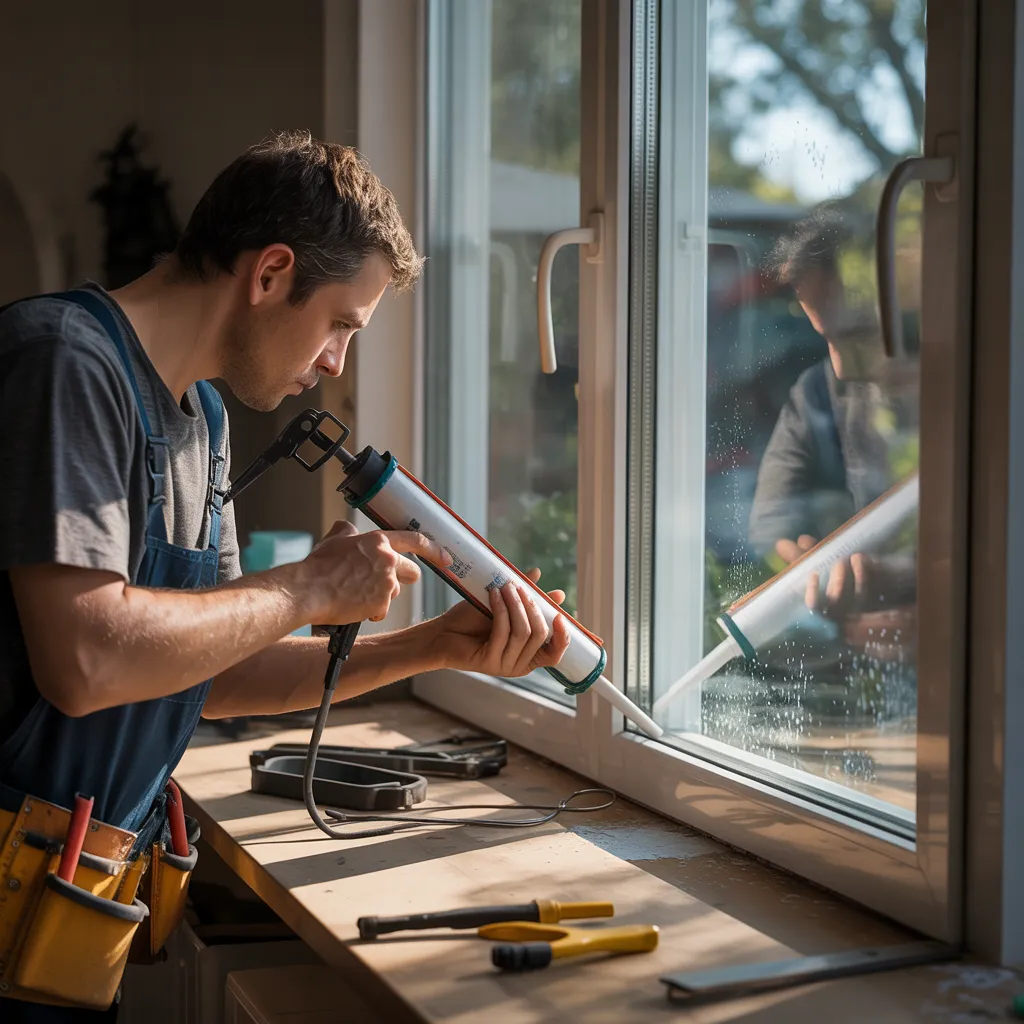
High-Efficiency Window Technologies
With growing consumer focus on sustainability, energy-efficient window technologies have proven to be an important component in modern home construction and remodeling. These technologies encompass a variety of characteristics designed to lower energy consumption and boost indoor comfort. Double or triple glazing, for instance, substantially improves insulation, reducing heat loss during colder months and keeping homes cooler in warmer weather. Low-emissivity (Low-E) coatings redirect heat while allowing natural light, further optimizing energy efficiency. Additionally, advancements in frame materials, such as fiberglass and vinyl, present enhanced thermal performance compared to traditional wood or aluminum. Homeowners advantage not only from lower energy bills but also from reduced carbon footprints. As a result, energy-efficient windows represent a vital investment in sustainable living and long-term property value.
State-of-the-Art Materials for Modern Windows
As the demand for modern windows increases, advanced materials are serving a vital function in boosting efficiency and design quality. Energy-efficient glass options, resilient framing materials, and advanced window technology are driving this advancement, delivering to homeowners enhanced thermal performance and usability. This shift doesn't just tackle energy conservation and improves the entire visual appeal of residential and business environments.
High-Efficiency Glass Choices
Though countless homeowners aim to upgrade their residential areas, energy-efficient glass options have emerged as a pivotal feature in current window architecture. These cutting-edge glass solutions, including low-emissivity (Low-E) coatings, significantly decrease heat transfer, assisting in preserving indoor temperatures. Additionally, double or triple glazing creates insulating air spaces that more effectively increase energy efficiency. By minimizing UV rays, energy-efficient glass also protects furnishings from fading, promoting overall home comfort. Many manufacturers are now utilizing gas fills, like argon or krypton, between glass panes to increase insulation. As energy costs rise and environmental concerns grow, homeowners progressively emphasize these glass options, not only for their stylish appearance but also for their potential to lower energy bills and improve sustainability.
Heavy-Duty Frame Building Materials
Even though standard materials including wood and aluminum have long been staples in window frame production, modern alternatives are currently gaining momentum for their longevity and performance. Composite materials, which combine wood fibers with polymers, offer improved strength and protection to weathering, reducing maintenance requirements. Fiberglass frames, known for their outstanding insulation qualities, resist warping and provide enduring resilience. Vinyl remains a common choice due to its affordability and superior thermal efficiency, while also being resistant to moisture and pests. These modern materials don't just enhance a home's visual appeal but also promote energy efficiency, making them a smart choice for homeowners seeking to upgrade. The shift toward these durable frame materials reflects a rising desire for longevity and functionality in window replacements.
Innovative Window Technology
Advanced window systems are revolutionizing the way homes manage energy efficiency and comfort. These innovative materials, such as electrochromic and thermochromic glass, enable windows to dynamically alter their tint and thermal performance in response to environmental conditions. By reducing glare and heat gain, smart windows result in lower energy consumption for heating and cooling. In addition, integrated sensors can enhance natural light usage while maintaining privacy. The adoption of these modern technologies not only boosts indoor comfort but also promotes sustainability by reducing a home's carbon footprint. As manufacturers work to improve these materials, smart window technologies are becoming increasingly accessible, making them a compelling choice for modern homeowners looking to elevate their living spaces.
Intelligent Windows and Home Automation Systems
With the ongoing evolution of technology, the integration of smart windows into home automation systems is becoming progressively widespread among homeowners looking for energy efficiency and convenience. Smart windows can be programmed to alter their tint in response to sunlight, aiding in regulate indoor temperatures and reduce the need for HVAC systems. This functionality not only increases comfort but also minimizes energy consumption. Furthermore, when connected to home automation systems, these windows can be controlled remotely via smartphones or voice-activated devices, allowing users to create customized settings for different times of the day. The seamless interaction between smart windows and other home automation features fosters a cohesive living environment, ultimately improving both comfort and efficiency in modern homes.
Eco-Friendly and Sustainable Options
How might homeowners make more sustainable choices when it comes to window replacement? More and more, homeowners are turning to eco-friendly options that reduce environmental impact. One common choice is windows made from recycled materials, which not only minimize waste but also lower the carbon footprint related to manufacturing. Additionally, many manufacturers now offer energy-efficient glass that utilizes low-emissivity (Low-E) coatings, boosting insulation while reducing energy consumption. Homeowners can also explore wood frames sourced from sustainably managed forests, encouraging responsible logging practices. Furthermore, opting for local suppliers can reduce transportation emissions. By focusing on these eco-friendly and sustainable solutions, homeowners can increase their comfort while contributing to a healthier planet. These choices reflect a growing awareness of the importance of sustainability in home improvement projects.
Modern Insulation Solutions
Sophisticated insulation approaches play an essential role in improving the energy efficiency of window replacements. These innovations focus on minimizing heat transfer and improving thermal performance. One effective method involves the use of triple-glazed windows, which incorporate multiple layers of glass and gas fills, significantly reducing heat loss. In addition, advanced framing techniques utilize insulated frames and spacers that enhance the overall insulation of windows. Aerogel-infused materials are also gaining traction, as they provide exceptional thermal resistance while remaining lightweight. Homeowners progressively benefit from these technologies, not only in comfort but also in reduced energy bills. As the demand for energy-efficient solutions expands, window replacement options continue to evolve, reflecting advancements in insulation techniques that prioritize sustainable living.
Design Trends in Window Design
Trending Aesthetic Trends in Window Design
Contemporary trends in window design are continuously shifting to modern streamlined aesthetics, distinguished by sharp lines and understated frames. This shift not only enhances aesthetic appeal but often incorporates eco-friendly design features that contribute to sustainability. As homeowners value both aesthetics and functionality, these trends redefine the role of windows in modern architecture.
Modern Minimalist Aesthetics
As property owners progressively pursue ease and practicality in design, contemporary minimalist styles have appeared as a prominent trend in window design. This approach stresses clean lines, description unrestricted views, and a lack of ornate detailing, producing an uncluttered and peaceful look. Wide glass sections are regularly incorporated to boost natural light and link indoor spaces with the outdoors. Frames are often slender and modest, letting the window itself to be the main feature without distraction. Muted color selections are selected, fostering a lasting refinement that complements multiple architectural styles. Overall, modern minimalist approaches not only elevate the visual appeal of a residence but also add to a feeling of peace, corresponding to contemporary lifestyle preferences for practicality and simplicity.
Eco-Friendly Design Features
While homeowners prioritize energy efficiency together with style, window designs increasingly include innovative elements that enhance both functionality and aesthetics. Modern windows frequently feature multi-pane glass, low-emissivity coatings, and gas fills that reduce heat transfer, contributing to lower energy bills. Moreover, sleek frames constructed from materials like fiberglass or vinyl not only offer durability but also support thermal performance. Architectural styles have evolved to include larger window sizes and strategically placed openings that enhance natural light while maintaining insulation. Furthermore, customizable options permit homeowners to select colors and finishes that match their overall design theme. This fusion of energy-efficient design elements with aesthetic appeal ensures that window replacements serve the dual role of elevating home comfort and visual charm.
The Effect of Windows on Indoor Air Quality
Though commonly ignored, the significance of windows in shaping indoor air quality is important. Properly installed and maintained windows can promote sufficient ventilation, enabling fresh air to distribute while expelling stale air and contaminants. Modern window designs typically incorporate components such as low-emissivity coatings and argon gas fills, which not only enhance energy efficiency but also minimize condensation and mold growth. Also, windows that open easily help homeowners to control airflow, additionally improving indoor air quality. On the other hand, old or poorly sealed windows can lead to drafts and greater pollutants, adversely affecting health and comfort. Thus, choosing the right windows during replacement can significantly influence the complete air quality within a home, making it an vital consideration for homeowners.
Common Questions
How Long Will a Standard Window Replacement Project Take to Complete?
A typical window replacement job typically takes from one to three days, contingent upon the amount of windows being replaced, the type of installation, and any unexpected complications that may arise during the procedure.
What Are the Expenses Related to Window Replacement?
The cost of window replacement generally range from $300 to $1,000 per window, based on factors like material, size, and installation complexity. Supplementary fees may stem from permits, labor, and prospective structural modifications.
Do I Need a Permit for Window Replacement?
In numerous areas, a permit is necessary for window replacement, specifically when altering the size or configuration. Homeowners should check with local building codes or authorities to ensure compliance and avoid potential fines or complications.
How Can I Select the Perfect Window Style for My House?
To select the right window style, you should consider the architectural design, energy efficiency, personal preferences, and local climate. Reviewing multiple materials and consulting with professionals can further improve the decision-making process.
What Kind of Maintenance Do Modern Windows Need After Installation?
Modern windows require minimal maintenance following installation. Consistent cleaning of glass surfaces, examination of seals, and periodic lubrication of moving parts help guarantee longevity and optimal performance, eventually contributing to energy efficiency and home comfort.